



The short answer
For most people, yes. Renting before buying in Costa Rica, in the area you think you want, for long enough to see both the dry season and the green season, is the cheapest way to test a decision that is expensive to reverse. A useful rental is not a vacation: it is a working trial where you time the drive to the hospital, shop for groceries on a Tuesday, sleep through a rainy night and try to hold a conversation in Spanish. Renting for years is less useful if you already know you want to build, so the better goal is a defined trial with a short list of questions to answer. Used well, a rental season also gives you time to do most of your legal and practical due diligence before you sign anything.
Why “rent first” is the advice you keep hearing
Ask people who have lived in Costa Rica for a few years what they would tell their earlier selves, and “rent first” comes up again and again. It shows up in expat forums, in relocation guides, and in a recent Tico Times guest article that recommends renting for at least a year in the area you are considering before deciding to buy.
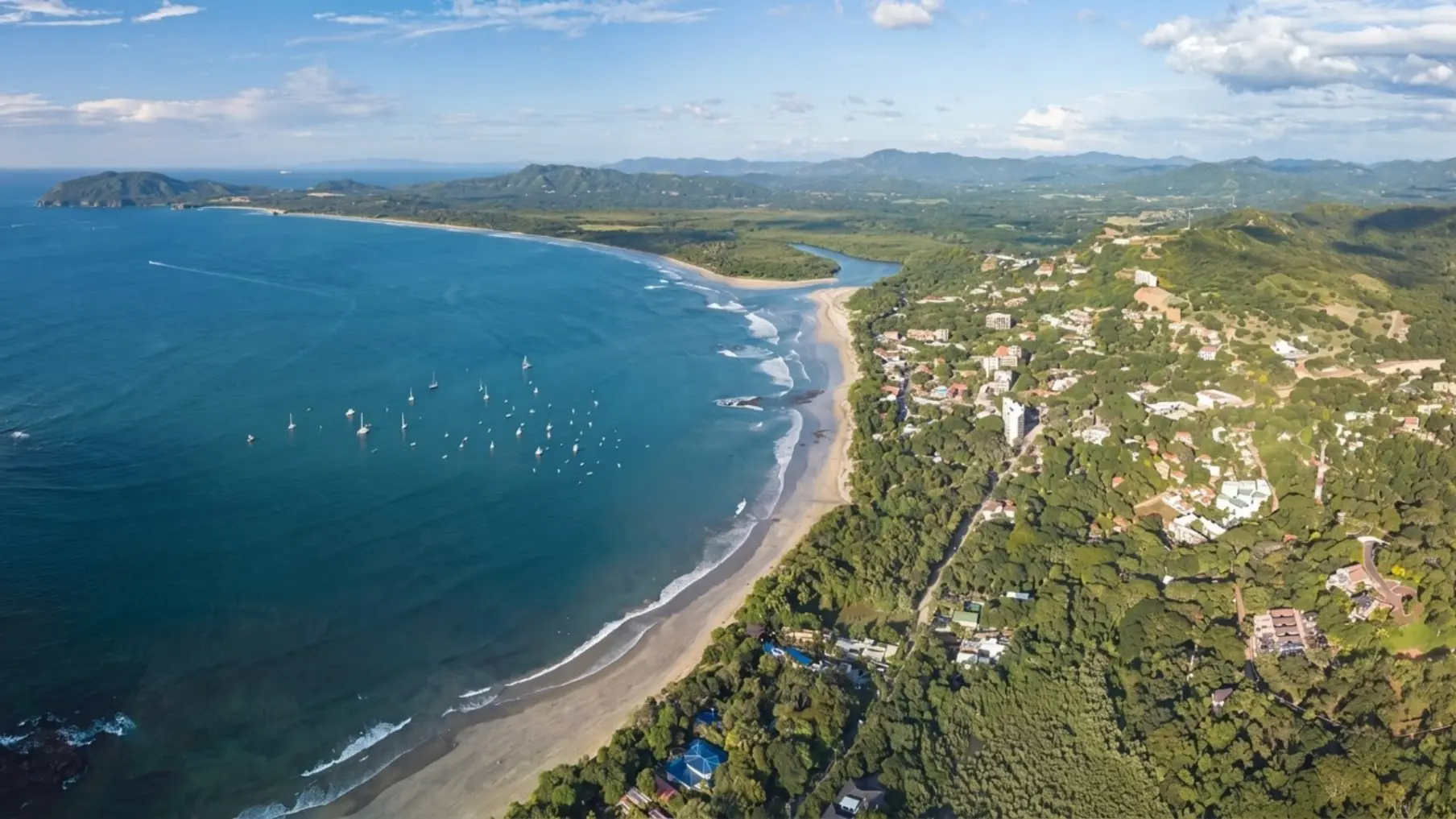
The reasoning is simple. Costa Rica is not one place. The Central Valley, the Caribbean coast, the southern Pacific and Guanacaste have different climates, different rhythms and different costs. Even within Guanacaste, a beach town at the height of the dry season and the same town in October can feel like two separate addresses. A week of vacation tells you whether you like being here as a guest. A season of ordinary life tells you whether you like living here.
There is also an asymmetry in costs. Leaving a rental is usually a matter of notice and logistics. Selling a property means transaction costs, agent fees and time on the market, and the Tico Times article estimates a round trip at roughly ten percent of a property’s value. A few months of rent is small next to that.
What about the numbers on people who leave?
You will see percentages online claiming that a large share of foreigners leave Costa Rica within a few years of arriving. The figures circulate widely and vary a lot, with some starting around 40 percent, over timeframes that range from one year to five. We could not find a single one tied to a published study, census or government dataset. Some articles that discuss departures give no figure at all and simply say that many people leave within a year or two.
So treat those numbers as sentiment, not fact. What they do reflect, accurately, is a pattern anyone who has lived here a while will recognize: some people move on a strong first impression and discover later that the heat, the distances or the pace do not suit them. Renting first does not guarantee you will stay. It does make it much more likely that, if you buy, you are buying into a life you have actually tried.
How long should you rent before buying in Costa Rica?
There is no legal or official answer, only practical ones. Here is a simple way to think about it.
Two to four weeks is a scouting trip. It is long enough to compare areas and to rule places out, and too short to know what living somewhere is like. Most people are still on vacation time for the first week.
Three to six months is a real trial, especially if it spans the change of seasons. You will settle into routines, need a doctor or a mechanic, and get past the novelty. This is the window where most of the useful learning happens.
Twelve months is the gold standard because it shows you the full year: the dry months, the wet months, holidays, school calendars, high and low tourist seasons. If your timeline and budget allow it, a year removes most guesswork.
If you can only do one stay, make it long enough to include at least some of the season you have not seen yet. Most first visits to Guanacaste happen in the dry months, which means the green season is usually the unknown.
Which seasons to sample: dry season vs green season
Guanacaste’s year has two main personalities.
The dry season generally runs from about December through April. Skies are clear, beaches are at their busiest, the landscape turns gold and brown, and days are hot. This is the season most visitors know and most marketing shows.
The green season generally runs from May to November, according to National Geographic, with a drier stretch in July and August that Costa Ricans call veranillo, or “little summer.” Rain usually comes in afternoon or evening bursts rather than all day. The landscape turns lush, temperatures ease a little, and the region gets quieter.
Each season tests different things.
In the dry season, notice the heat in the middle of the day and how you handle it, the dust on unpaved roads, how busy restaurants and beaches get, and how traffic feels around the main towns at peak periods.
In the green season, notice humidity inside the house, how roads behave after heavy rain, whether you enjoy afternoons that pause for a downpour, and how social life changes when some seasonal residents are away. The Tico Times article puts it neatly: if you still like a place in October, you probably like it.
Anyone who has lived through a Guanacaste October knows exactly what that means: the laundry takes two days to dry, the frogs are louder than your playlist, and the mornings are some of the most beautiful of the year.
Free download
The Investment & Relocation Guide
Ownership, residency, costs and daily life in one place, so a trial stay has a clear plan.
What to test during your rental
A rental is only as useful as the questions you bring to it. Here is a practical list, organized by the parts of life that most often decide whether people stay.
Your actual commute. Drive the routes you would drive weekly: to the supermarket, the pharmacy, the airport, a school if you have children, a hardware store. Do it at the times you would really go, not on an empty Sunday morning. Note the time door to door.
Heat and your body. Spend full days in the house, not just at the beach. Work at your desk at 2 p.m. Sleep with and without air conditioning. Notice whether you naturally shift your day earlier, which most people here eventually do, and whether you enjoy that shift.
Noise. Every place has a soundtrack. Howler monkeys at dawn, roosters, weekend music from a nearby town, construction, a busy road. None of these is good or bad on its own. What matters is whether you can live with the specific mix where you plan to be.
The healthcare drive. Find the nearest clinic, the nearest hospital and the nearest private option, and drive to each. Ask locals where they actually go for an X-ray, a specialist or an emergency at night. If you take regular medication, fill a prescription. This is one of the most important tests, and one people often skip because they feel fine on vacation.
Groceries and daily errands. Shop like a resident, not a guest. Find which stores carry what you eat, what you need to drive farther for, and what costs more than you expected. Try the weekly farmers’ market if there is one. Track a month of real spending.

Social life. Can you see yourself with friends here in a year? Join something: a sports group, a volunteer project, a class, a community event. Notice whether there is a mix of locals and foreigners, full-time residents and seasonal ones, and whether you find your people.
Spanish. You can get by in English in many parts of Guanacaste, but daily life is fuller in Spanish. Try handling a utility question, a pharmacy visit or a conversation with a neighbor in Spanish. If you are starting from zero, start lessons during the rental and see how it feels.
Work and connectivity. If you work remotely, test the internet on a real workday, including a video call during a rainstorm. Ask about providers and backup options in the specific area.
Services you will need later. Find a mechanic, a vet if you have pets, a reliable handyman. These small relationships often shape how settled you feel.
Write it down. A simple weekly note on what surprised you, good and less good, becomes very useful when you sit down to decide.
The honest counterpoint: when renting long term stops helping
Renting first is good advice. Renting indefinitely is not always better advice. There are real reasons people choose a shorter trial.
If you plan to build, a long rental delays everything. Building a home in Costa Rica takes time for design, permits and construction. If you already know the area and the lifestyle suit you, spending years as a tenant can mean years of paying rent while the project you actually want has not started.
Good long-term rentals can be hard to find in popular areas. In high-demand coastal zones, many furnished homes are rented by the week or month to visitors, and long-term options may be limited or priced for the tourist market. What you can rent may not resemble what you would buy or build.
Lease law has its own logic. Residential leases in Costa Rica are governed by Law 7527, the urban and suburban leasing law. Sources describing it note a three-year minimum term for residential leases, and that rent in a dollar-denominated lease cannot be raised during the contract, while colón-denominated leases can adjust annually with inflation. The Tico Times article notes that seasonal or furnished tourism rentals may fall outside these protections. Read your lease carefully and have a local attorney review it if you are signing for more than a short stay.
Some people genuinely know. If you have spent many seasons in an area, have friends there and have already tested the daily routine, a long rental may add little. The point of renting is to answer open questions. If you have no open questions left, it has done its job.
The practical middle path for many people: rent long enough to cover both seasons and the tests above, then decide. If the answer is yes and you intend to build, use the rental period to move the purchase and design forward in parallel.
How to use a rental season for due diligence
A rental season is not only a lifestyle test. It is the best time to do the slow, careful work that a rushed buyer skips. Being on the ground lets you meet people in person, visit properties at different times of day and ask follow-up questions without a deadline.
Here is how to use the time well.
Understand how ownership works. Learn how foreigners hold property, whether in their own name or through an entity, and what title registration involves. Our guide to how foreigners own property in Costa Rica is a good starting point.
Decide whether you need residency, and which category. Residency is separate from ownership, and the requirements, income thresholds and timelines matter for your plans. See Costa Rica residency requirements.
Meet attorneys before you need one. Interview two or three independent Costa Rican attorneys. Ask how they handle title studies, how funds are held, and how they communicate. A rental season gives you time to choose someone you trust rather than whoever is available the week you find a property.
Check water early. For land, confirm water availability before you commit. Ask which operator serves the lot and for a current, dated water availability letter.
Budget the real costs. Understand transfer taxes, registration and legal fees so you are not surprised at signing.
Visit properties in both seasons. A lot that looks perfect in March may have drainage questions in October. A view may change when the trees leaf out. Walk the land in rain.
Read the community rules. If you are considering a condominium or planned community, ask for the bylaws, construction guidelines, recent assembly minutes and information on reserves and fees. The Tico Times article specifically recommends reviewing assembly minutes and the reserve fund.
Talk to residents. Ask owners what they wish they had known, how the community handles maintenance and decisions, and what living there is like in the green season.
By the end of a well-used rental, many people find they are not deciding from scratch. They are confirming a choice they have already tested from several angles.

Common misconceptions
“A two-week vacation is enough to know.”
It is enough to know whether you like visiting. Daily life, seasons and logistics take longer to show themselves.
“Renting is wasted money.”
Rent paid during a trial buys information that is hard to get any other way, and it is usually small next to the cost of buying and reselling a property you do not want.
“The rental market will reflect what I would buy.”
Often it does not. Furnished short-term rentals in popular areas can be very different from the home you would build or own.
“If I rent, I cannot move fast when the right property appears.”
You can. Renting nearby actually lets you move faster, because your attorney, your budget and your understanding of the area are already in place.
“Everyone leaves within a few years anyway.”
The percentages that circulate online are not tied to verifiable data. Many people stay for decades. Renting first is about making sure you are one of them for the right reasons.
A practical checklist for your rental
What this means at El Jaguar
Staying first is the best preparation for a decision like this.
El Jaguar is a private gated community of 54 homesites within Hacienda Pinilla, where owners design and build their own homes, with a forest park and shared open land between them. People considering it often spend time in the wider estate first, which is exactly the kind of unhurried trial this article recommends.
A stay like that lets you test the routine described above from inside an established community: the morning walk, the drive to town, the green-season afternoons.
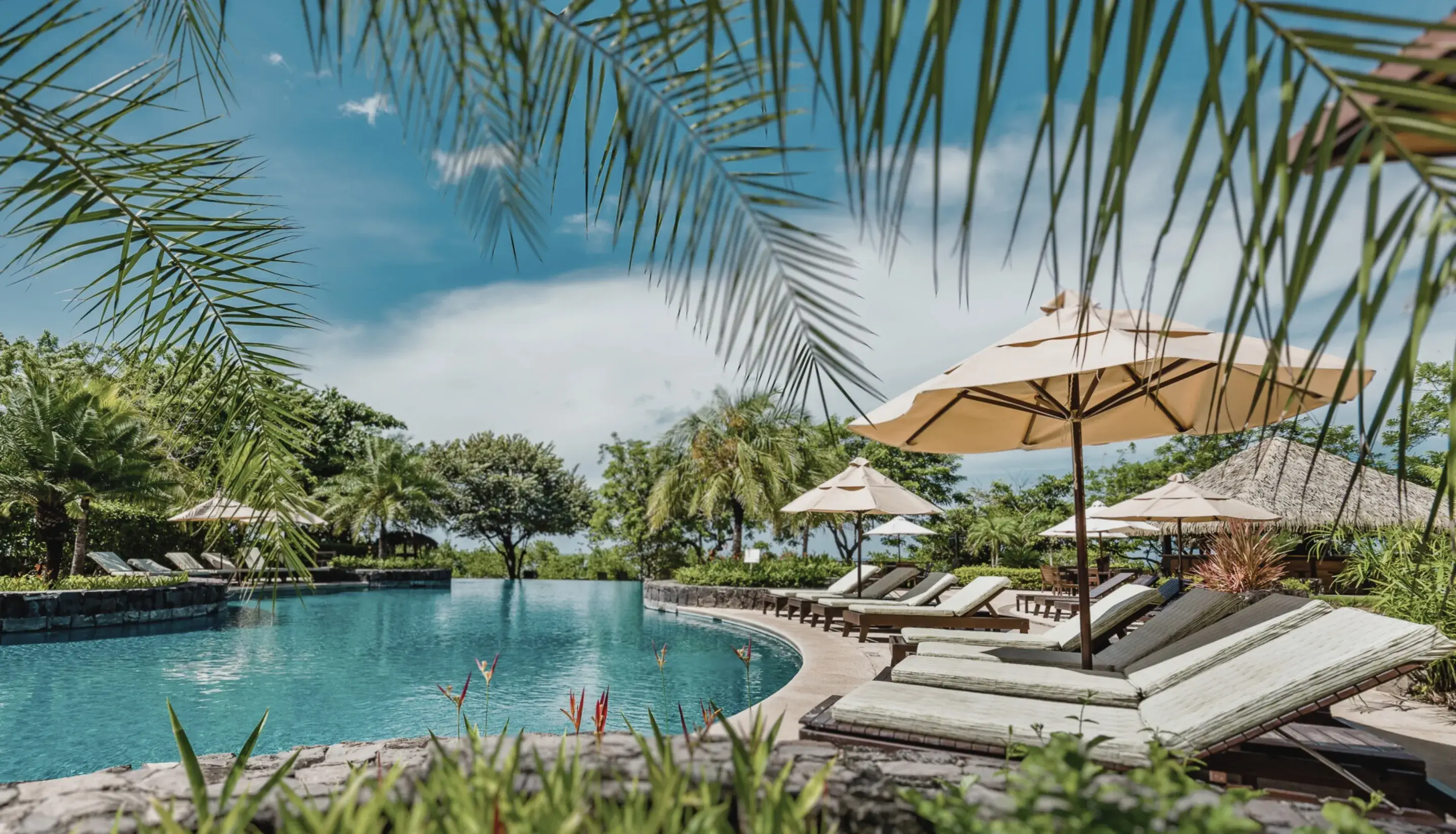
If Guanacaste is on your list, it helps to stay somewhere that resembles the life you are considering. Hacienda Pinilla, a large estate on the coast near Santa Cruz, has decades of history as a residential community and offers several ways to stay: the JW Marriott Guanacaste Resort sits within the estate, and privately owned homes and villas there are offered as vacation rentals through third-party platforms. The estate includes beaches, a championship golf course, trails and security, and an urgent care clinic, Pinilla Urgent Care, serves the area seven days a week. Access to some amenities, such as club facilities, depends on membership or your specific stay, so check what is included before you book.
Arne answers these questions himself, Monday to Friday.
Frequently asked
How long should I rent before buying in Costa Rica?
There is no official rule. Three to six months that spans a change of season is a solid trial, and a full year is ideal if you can manage it. A few weeks is useful for scouting areas, not for deciding.
What is the best season to rent in Guanacaste?
Rent in the season you have not experienced. Most visitors know the dry season, roughly December to April, so a green-season stay, roughly May to November, is often the more revealing test.
Do residential leases in Costa Rica have a minimum term?
Sources describing Law 7527 note a three-year minimum for residential leases, with rent fixed during the term for leases in US dollars. Seasonal or furnished tourism rentals may be treated differently. Have a local attorney review any long lease.
Is it true that most expats leave Costa Rica within a few years?
The percentages online vary widely and none we found is tied to a verifiable study. Treat them as anecdote. Renting first helps you make a decision that fits you, whatever the averages are.
Should I rent if I already know I want to build?
A shorter, focused trial still helps, especially across both seasons. If you have no open questions about the area, use the time to advance your due diligence, design and permits in parallel rather than renting for years.
Can I do due diligence while renting?
Yes, and it is one of the best uses of the time. Meet attorneys, review title and water questions, read community rules and visit properties in both seasons.
Can I stay inside Hacienda Pinilla before deciding?
Yes. The JW Marriott Guanacaste Resort is located within the estate, and privately owned homes and villas there are listed as vacation rentals on third-party platforms. Check what amenities each stay includes.
This article is general information, not legal advice. Consult an independent Costa Rican attorney before signing a lease or purchase agreement.
Sources
- Tico Times, “Renting vs buying in Costa Rica” (guest article), August 4, 2026
- National Geographic, “Guanacaste, Costa Rica green season.”
- Global Property Guide, “Costa Rica Rental Laws.”
- Costa Rica Experts, JW Marriott Guanacaste Resort & Spa
- Marriott Homes & Villas, Hacienda Pinilla vacation rentals
- Hacienda Pinilla official site
- Expatra, “Costa Rica’s retirement trap: why 40% of expats flee.”
- Vacations Costa Rica, “Why expats choose to leave Costa Rica.”
- Expat.com forum thread, “Why do so many people leave Costa Rica after moving there?”

Written by
Arne
Co-developer of El Jaguar, living in Guanacaste. He’ll personally get back to you.
Monday to Friday, 8:00 am to 6:00 pm Saturday, 9:00 am–1:00 pm (Costa Rica time).